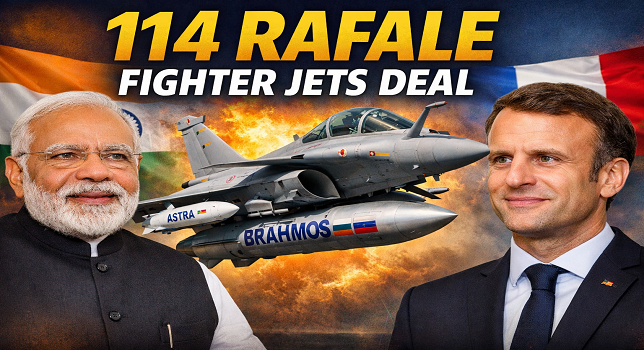
भारत और फ्रांस के बीच होने जा रही 114 Rafale Fighter Jet Deal अब अंतिम चरण की ओर बढ़ती दिखाई दे रही है। भारत सरकार ने राफेल लड़ाकू विमानों की खरीद के लिए फ्रांस को भेजे जाने वाले अनुरोध पत्र को अंतिम रूप दे दिया है। माना जा रहा है कि आने वाले कुछ सप्ताहों में यह पत्र आधिकारिक रूप से फ्रांस को भेज दिया जाएगा। यह सौदा केवल लड़ाकू विमान खरीदने तक सीमित नहीं है, बल्कि इससे भारत की रक्षा क्षमता, स्वदेशी निर्माण और सामरिक ताकत में बड़ा बदलाव देखने को मिल सकता है।
भारत में तैयार होंगे लगभग 90 राफेल विमान
प्रस्तावित 114 Rafale Fighter Jet Deal के तहत लगभग 90 लड़ाकू विमान भारत में ही बनाए जा सकते हैं। इसके लिए फ्रांस की विमान निर्माण कंपनी Dassault Aviation भारतीय रक्षा कंपनियों के साथ मिलकर काम करेगी। बाकी विमान सीधे फ्रांस से भारत को दिए जाएंगे। सरकार चाहती है कि इस समझौते में लगभग 50 प्रतिशत स्वदेशी सामग्री का उपयोग हो ताकि भारत की रक्षा उद्योग को बड़ा लाभ मिल सके। इससे देश में नए रोजगार पैदा होंगे और रक्षा निर्माण क्षेत्र को मजबूती मिलेगी।
भारतीय वायुसेना की ताकत होगी कई गुना अधिक
इस समय भारतीय वायुसेना के पास 36 राफेल लड़ाकू विमान मौजूद हैं। वहीं भारतीय नौसेना भी आने वाले वर्षों में 26 राफेल एम विमानों को शामिल करने की तैयारी कर रही है। ऐसे में यदि 114 नए राफेल विमान शामिल होते हैं, तो भारत की हवाई शक्ति कई गुना बढ़ जाएगी। राफेल विमान आधुनिक रडार प्रणाली, दुश्मन की निगरानी करने वाली उन्नत तकनीक, लंबी दूरी की मार करने वाली मिसाइलों और अत्याधुनिक हथियारों से लैस हैं। यही कारण है कि इन्हें दुनिया के सबसे शक्तिशाली बहुउद्देश्यीय लड़ाकू विमानों में गिना जाता है।
ऑपरेशन सिंदूर के बाद बढ़ी राफेल की अहमियत
हाल ही में ऑपरेशन सिंदूर के दौरान राफेल लड़ाकू विमानों ने आतंकवादी ठिकानों पर सटीक हमला करके अपनी ताकत दिखाई थी। भारतीय वायुसेना ने अत्याधुनिक हथियारों की मदद से पाकिस्तान और पीओके में मौजूद आतंकी ठिकानों को निशाना बनाया। इसके बाद से 114 Rafale Fighter Jet Deal को लेकर भारत की रणनीति और तेज होती दिखाई दे रही है। रक्षा विशेषज्ञों का मानना है कि राफेल अब केवल एक लड़ाकू विमान नहीं बल्कि भारत की सामरिक सुरक्षा का महत्वपूर्ण हिस्सा बन चुका है।
पाकिस्तान और चीन की बढ़ी बेचैनी
भारत की बढ़ती राफेल शक्ति को देखते हुए पाकिस्तान भी चीन से नए जे-10 लड़ाकू विमान खरीदने की कोशिश कर रहा है। लेकिन रक्षा जानकारों का मानना है कि राफेल की युद्ध क्षमता, आधुनिक तकनीक और शक्तिशाली हथियार प्रणाली उसे दक्षिण एशिया में बेहद मजबूत बनाती है।चीन लगातार अपने नए लड़ाकू विमान कार्यक्रमों पर काम कर रहा है। ऐसे में भारत भी अपनी वायुसेना को आधुनिक बनाने के लिए तेजी से आगे बढ़ रहा है और 114 Rafale Fighter Jet Deal इसी योजना का महत्वपूर्ण हिस्सा मानी जा रही है।
यह समझौता केवल हथियार खरीद तक सीमित नहीं रहेगा बल्कि भारत और फ्रांस के बीच दीर्घकालिक रक्षा साझेदारी को भी मजबूत करेगा। भविष्य में दोनों देश लड़ाकू विमान निर्माण, इंजन विकास और नई सैन्य तकनीकों पर मिलकर काम कर सकते हैं। विशेषज्ञों का मानना है कि इससे भारत को आने वाले समय में आधुनिक रक्षा तकनीक हासिल करने में बड़ी मदद मिलेगी और देश आत्मनिर्भर रक्षा निर्माण की दिशा में तेजी से आगे बढ़ेगा।
अंतिम मंजूरी के बाद होगी बड़ी घोषणा
रक्षा खरीद परिषद पहले ही इस प्रस्ताव को मंजूरी दे चुकी है। अब फ्रांस की ओर से कीमत, आपूर्ति और तकनीकी सहायता से जुड़ी जानकारी मिलने के बाद दोनों देशों के बीच अंतिम बातचीत शुरू होगी। इसके बाद इस समझौते को सुरक्षा मामलों की कैबिनेट समिति की मंजूरी के लिए भेजा जाएगा। यदि यह 114 Rafale Fighter Jet Deal पूरी होती है, तो यह भारत के इतिहास की सबसे बड़ी रक्षा खरीद में से एक साबित हो सकती है।
राफेल की आधुनिक तकनीक और जबरदस्त युद्ध क्षमता
तकनीकी रूप से राफेल एक 4.5 जनरेशन (साढ़े चार पीढ़ी) का बेहद उन्नत लड़ाकू विमान है, जिसकी क्षमताएं इसे दुनिया के सर्वश्रेष्ठ लड़ाकू विमानों की कतार में खड़ा करती हैं। यह विमान ध्वनि की गति से लगभग दोगुनी रफ्तार यानी लगभग 1.8 मैक की स्पीड से उड़ान भर सकता है और इसकी कॉम्बैट रेंज करीब 1,850 किलोमीटर है। राफेल में लगा आरबीई-2 (RBE2) एसा रडार और स्पेक्ट्रा इलेक्ट्रॉनिक वॉरफेयर सिस्टम इसे दुश्मन के रडार की नजरों से बचाते हैं और साथ ही यह एक साथ कई दुश्मनों को ट्रैक कर सकता है। यही कारण है कि भारतीय वायुसेना इसे हर तरह के कड़े और गुप्त अभियानों के लिए अपना सबसे भरोसेमंद हथियार मानती है।
मिटिओर और स्कैल्प मिसाइलों से दुश्मनों पर बढ़ेगा भारत का दबदबा
युद्ध के मैदान में राफेल को सबसे घातक उसकी मिसाइल क्षमताएं बनाती हैं, जो चीन और पाकिस्तान के पास मौजूद किसी भी विमान से कहीं अधिक आधुनिक हैं। राफेल में लगी ‘मिटिओर’ (Meteor) मिसाइल 150 किलोमीटर से भी अधिक दूर उड़ रहे दुश्मन के विमान को बिना उसकी नजर में आए हवा में ही नष्ट कर सकती है। इसके अलावा, इसकी ‘स्कैल्प’ (SCALP) क्रूज मिसाइल 300 किलोमीटर से ज्यादा दूर पहाड़ी इलाकों में छिपे दुश्मन के बंकरों और सैन्य ठिकानों को सौ फीसदी सटीकता के साथ तबाह करने की ताकत रखती है। रक्षा विश्लेषकों के अनुसार, इस नए 114 Rafale Fighter Jet Deal के बाद भारतीय वायुसेना की ताकत इतनी बढ़ जाएगी कि चीन का जे-20 विमान (जो वास्तविक युद्ध के अनुभव से दूर है) भी राफेल के सामने टिक नहीं पाएगा।
राफेल डील में देरी हुई तो भारत के पास मौजूद हैं कई बड़े विकल्प
हालांकि, रक्षा विश्लेषकों का यह भी कहना है कि यदि किसी कारण से इस सौदे में देरी, वैश्विक राजनीतिक दबाव या तकनीकी पेचीदगियां सामने आती हैं, तो भारत के पास अन्य विकल्प भी मौजूद हैं। ऐसी स्थिति में अमेरिका का एफ-35 (F-35) स्टैल्थ फाइटर, रूस का एसयू-57 (Su-57) और भारत का अपना स्वदेशी पांचवीं पीढ़ी का विमान ‘एम्का’ (AMCA) बड़े विकल्प बनकर उभर सकते हैं। लेकिन भारत के लिए यह 114 Rafale Fighter Jet Deal केवल एक लड़ाकू विमान खरीदने तक सीमित नहीं है, बल्कि भारत अपनी दीर्घकालिक रणनीतिक स्वतंत्रता और रक्षा तकनीकों पर खुद का नियंत्रण रखने को सर्वोच्च प्राथमिकता देगा।
114 राफेल लड़ाकू विमानों की यह बड़ी योजना भारत की रक्षा शक्ति को नई ऊंचाई पर पहुंचा सकती है। “मेक इन इंडिया” अभियान के तहत भारत अब केवल हथियार खरीदने वाला देश नहीं बल्कि रक्षा निर्माण केंद्र बनने की दिशा में तेजी से आगे बढ़ रहा है। आने वाले वर्षों में यह 114 Rafale Fighter Jet Deal भारत को एशिया की सबसे मजबूत वायु शक्तियों में शामिल कर सकती है और दक्षिण एशिया के सामरिक संतुलन को पूरी तरह बदल सकती है।
Source : “India Today”
डिस्क्लेमर:
यह समाचार विभिन्न सार्वजनिक स्रोतों, मीडिया रिपोर्ट्स और रक्षा विशेषज्ञों की उपलब्ध जानकारियों पर आधारित है। इस लेख में दी गई सैन्य क्षमताओं, हथियार प्रणालियों और रणनीतिक विश्लेषण का उद्देश्य केवल सूचना प्रदान करना है। किसी भी संवेदनशील रक्षा जानकारी का आधिकारिक सत्यापन संबंधित सरकारी एजेंसियों और रक्षा मंत्रालय द्वारा ही माना जाएगा। megaenclosure.com किसी भी गोपनीय सैन्य जानकारी का दावा नहीं करता। पाठकों से अनुरोध है कि वे रक्षा मामलों से जुड़ी खबरों को आधिकारिक स्रोतों के साथ भी सत्यापित करें।